
Earth Day usually brings big goals to mind: recycle more, waste less, maybe even start composting.
This year, I want to offer a simpler project that still has a real impact, not just on the planet, but on your peace of mind:
Declutter and organize your important paperwork.
As an estate planning attorney, I can tell you this: paperwork clutter is not just annoying. It can turn into stress at the exact moment your family can least afford it.
I have seen it happen many times. A loved one gets sick, someone passes away, or a family is trying to help an aging parent, and suddenly people are searching through drawers, boxes, and piles trying to answer basic questions:
- Where are the estate planning documents (will, trust, power of attorney)?
- What accounts exist?
- Who should we call?
- What is current, and what is outdated?
When documents are missing, unclear, or inaccessible, families often end up dealing with unnecessary delay, confusion, and sometimes court involvement that could have been avoided. Planning ahead is not about being “fancy” or wealthy. It is an act of care. It is one of the most practical ways to protect your family and preserve harmony.
Friendly note: This article is general educational information, not legal advice. If you want guidance for your specific situation, talk with an estate planning attorney in your area.
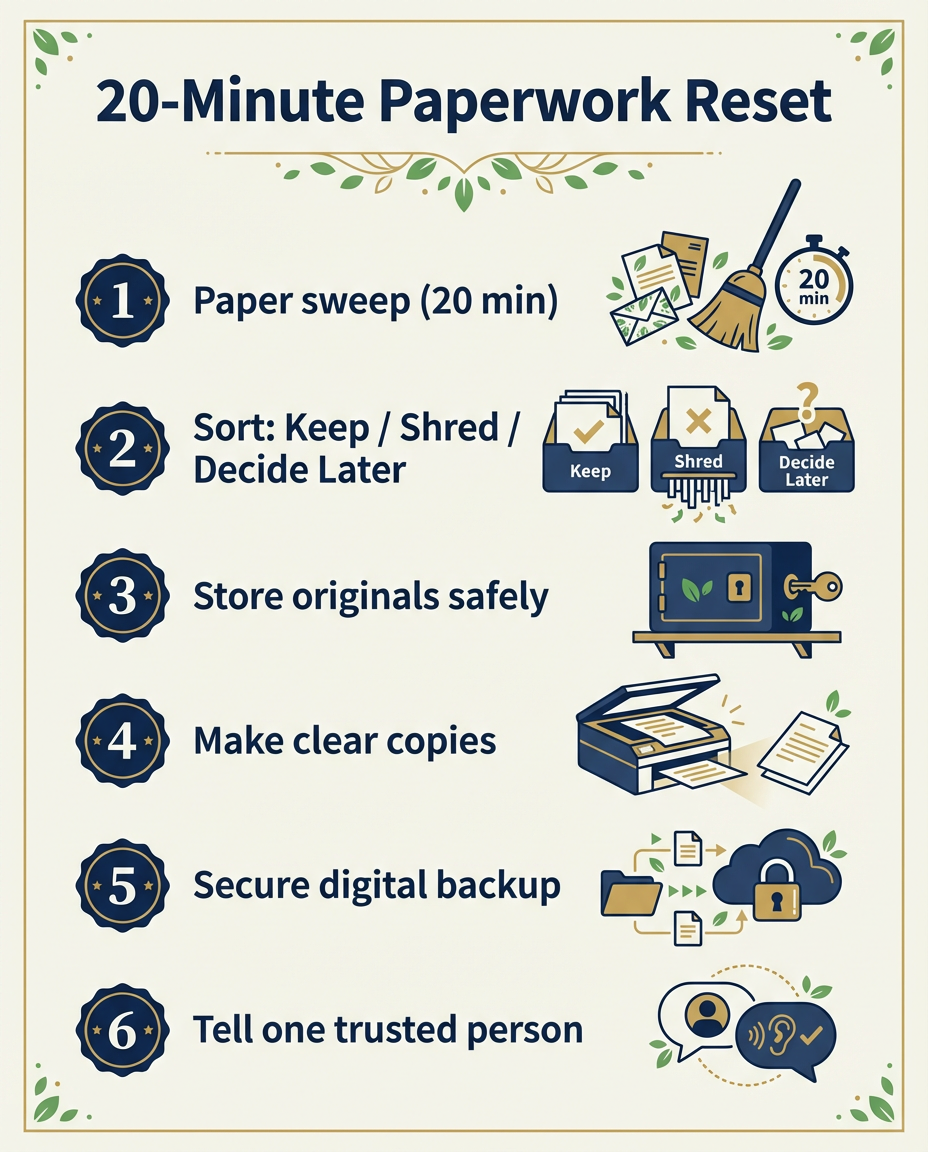
Step 1: Start with a 20-minute “paper sweep”
Set a timer for 20 minutes and gather paper from the usual suspects:
- kitchen counters and mail piles
- desk drawers
- the “important papers” folder (that is mostly old receipts)
- stacks near your printer
- envelopes you have kept because they look official
Put it all in one place. That is your starting line.
A simple truth: if you have a pile labeled “IMPORTANT,” it eventually turns into a pile labeled “MYSTERY.” The goal today is not perfection. The goal is progress
Step 2: Sort into three categories (Keep, Shred, Decide Later)
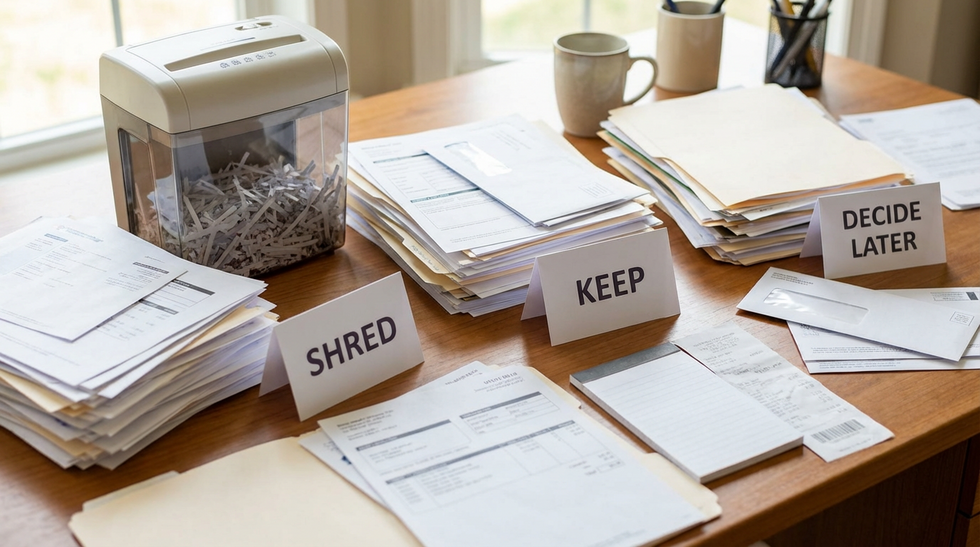
If you have ever tried to “organize everything” and got stuck, this is why. The key is to keep the sorting simple so you keep moving.
Category A: KEEP (the essentials)
These are documents that are hard to replace, legally significant, or critical in an emergency.
Common examples include:
- Estate planning documents: wills and trusts, powers of attorney, healthcare directives
- birth, marriage, and death certificates (for family members, if applicable)
- Social Security cards (stored securely)
- deeds, titles, and key property documents
- current insurance policies (or at least the declarations pages)
- business ownership documents (if applicable)
- court orders or agreements that are still relevant
A practical tip: “Keep” does not mean keep ten copies. Keep originals where appropriate, and one clear copy if needed.
Category B: SHRED (the clutter and the risk)
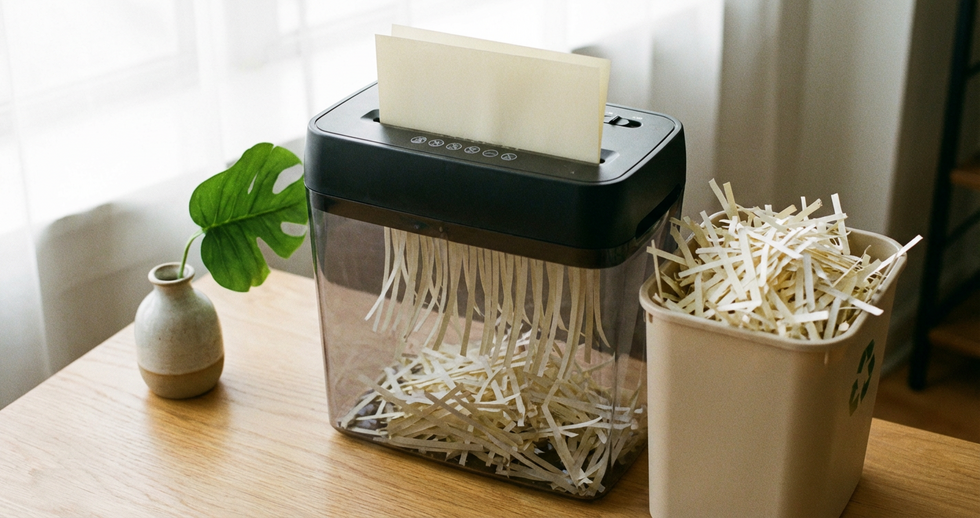
This is the paper that multiplies quietly and creates identity theft risk.
Examples include:
- outdated bank statements (unless you have a specific reason to keep them)
- old utility bills
- duplicate copies
- expired warranties
- printed emails you no longer need
- anything with personal information that has no ongoing purpose
If it has account numbers, dates of birth, Social Security numbers, or other sensitive information and you do not need it, shred it.
Category C: DECIDE LATER (your pressure release valve)
If you are unsure, do not stop the whole project. Put it in “Decide Later” and keep sorting.
Later, set a second timer for 15 minutes and revisit the gray zone with fresh eyes.
Step 3: Build an “Important Documents” system that real people can use
The best system is not the fanciest system. It is the one you will actually maintain, and that someone else can understand if they ever need to step in.
Here are three good options.
Option 1: A simple binder (great for many families)
A binder with labeled tabs can be surprisingly effective.
Consider tabs like:
- IDs and vital records
- property and housing
- insurance
- medical
- estate planning (wills, trusts, powers of attorney, healthcare directives)
- business (if applicable)
Option 2: A small fire-resistant safe (best for originals)
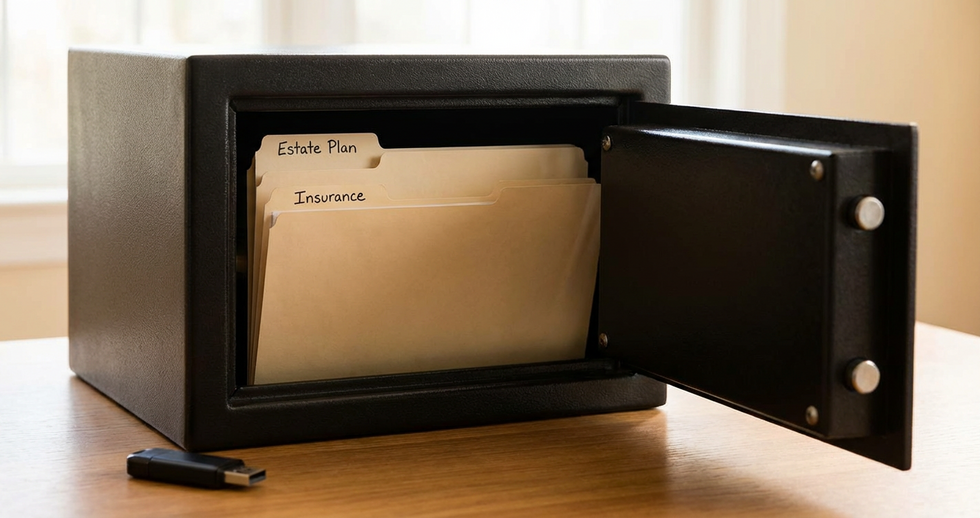
A safe is often a good place for originals and irreplaceable records.
One important note: a safe only helps if the right person knows it exists and can access it when necessary. If no one can open it in a crisis, it becomes a barrier instead of protection.
Option 3: A hybrid system (often the best of both worlds)
Many families use a combination:
- originals in a safe
- copies in a binder
- a secure digital backup of key documents
This approach can reduce stress for your loved ones while still keeping sensitive information protected.
Step 4: Make it accessible (without making it insecure)
This is where good intentions can go off track.
Some families lock everything down so tightly that no one can help when help is needed. Other families keep sensitive documents too exposed.
Instead, aim for a balanced plan:
- Who should know where the documents are?
- Who should be able to access them if you are unavailable?
- Is there a secure way to share access, without increasing risk?
If you have a trust, a will, or powers of attorney, accessibility matters. In an emergency, delays can create real problems. A thoughtful setup can prevent that.
Step 5: Update the things that quietly go stale
Even well-organized paperwork can become outdated. Earth Day is a good reminder to check the items that tend to drift out of date:
- beneficiary designations on retirement accounts and life insurance
- your emergency contact list
- a current list of accounts and where they are held
- insurance coverage summaries
- whether your healthcare directives and powers of attorney still reflect your wishes
Life changes. Families change. Laws change. If your estate plan has not been reviewed in years, it may be time for an update.
As a trust lawyer and probate attorney, I can tell you that many of the hardest court complications come from plans that were never updated after marriage, divorce, births, deaths, moves, or major changes in finances.
Step 6: Tell one trusted person
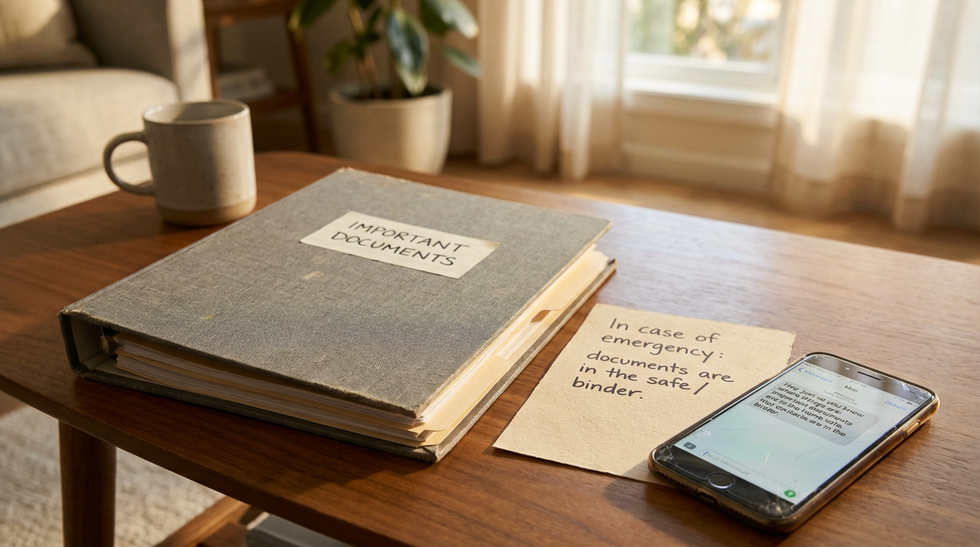
You do not need to announce your system at a family gathering.
But you should tell one trusted person:
- where your important documents are
- who to contact (attorney, financial advisor, key family members)
- what to do if something happens
This might be your spouse, an adult child, a sibling, or a close friend. This simple step can prevent confusion and reduce conflict later. It also helps preserve family harmony, because people are not left guessing.
A simple Earth Day paperwork checklist
If you want the quick version:
- Gather all paper into one pile.
- Sort into Keep, Shred, and Decide Later.
- Store Keep items in one clear system (binder, safe, or both).
- Back up key items digitally, if appropriate and secure.
- Tell one trusted person where things are and how to access them.
This article is based on California law and general practices; other states may differ.
A final thought from an estate planning attorney
Estate planning is not only about money. It is about people. It is about protecting the people you love and making hard moments a little easier.
If you have questions about protecting your family or creating a plan for the future, I would be happy to help.
Schedule your FREE 15-minute consultation with Joseph C. Lavelle.
Fill out the contact form here

Comments
There are no comments for this post. Be the first and Add your Comment below.
Leave a Comment