
Estate planning has always been a deeply personal endeavor—one that blends family, legacy, wealth, and love. At Lavelle Law Group, we have walked beside hundreds of California families navigating the complexities of planning for what comes next.
Today, that landscape has changed dramatically.
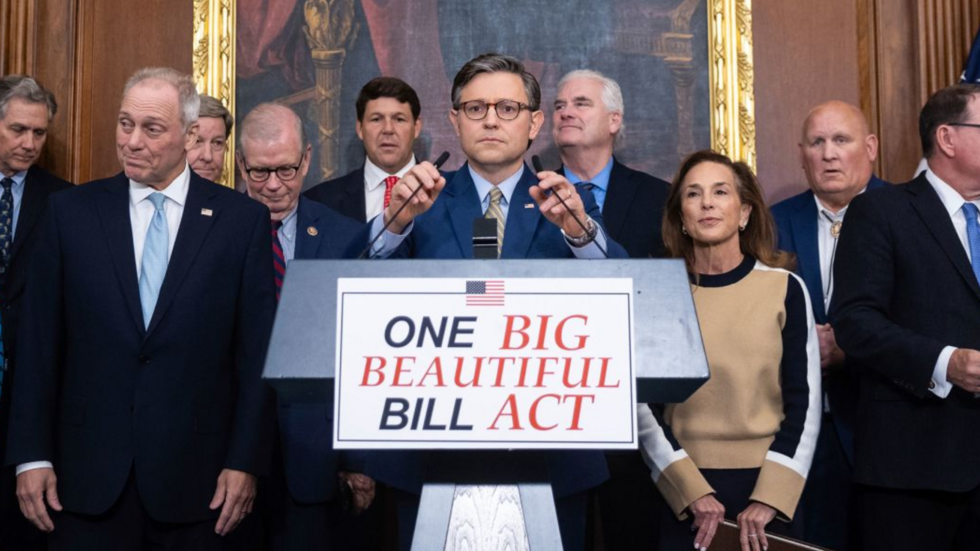
With the passage of the One Big Beautiful Bill Act, the federal rules around estate, gift, and generation-skipping transfer (GST) taxes have been restructured for the long term. And whether you're a high-net-worth individual, a small business owner, or simply a parent with a growing estate, these changes could significantly impact your legacy planning.
In this comprehensive guide, we break down what the new law means, what opportunities it opens up, and what steps you should consider taking right now to protect your estate and your loved ones.
Key Takeaways: Your Estate Planning Checklist
The Big Picture: What the One Big Beautiful Bill Act Changes
The One Big Beautiful Bill Act (OBBBA), recently signed into law, marks one of the most significant shifts in U.S. tax and estate planning policy in over a decade.
Here are the key estate-related highlights:
-
Permanently increases the federal estate, gift, and GST tax exemption to $15 million per individual (or $30 million per married couple) beginning in 2026 (Davis Polk).
-
The exemption is indexed for inflation starting in 2027, with 2025 as the base year.
-
The sunset clause from the 2017 Tax Cuts and Jobs Act (which would have reduced the exemption back to ~$7 million in 2026) has been eliminated (Husch Blackwell).
-
The top estate, gift, and GST tax rate remains at 40%.
-
Portability continues, allowing surviving spouses to use any unused portion of their spouse's exemption (Bean, Kinney & Korman).
This new framework offers predictability for wealthy families and estate planners—but only if you act to align your planning with the new rules.

Estate Tax Exemption Increase: Why It Matters
At first glance, a $15 million exemption per person might seem like something only billionaires need to worry about. But if you live in California—especially in coastal areas like San Diego, Orange County, or Los Angeles—your real estate alone could place your estate close to the federal threshold.
Here's why this increase is so significant:
-
More flexibility in making lifetime gifts without triggering taxes.
-
Greater opportunity to use irrevocable trusts for advanced planning.
-
A clearer picture of multi-generational wealth transfer, especially for families hoping to pass on vacation homes, investment property, or business equity.
A married couple with proper planning can now protect up to $30 million from estate taxes. But the key phrase is "with proper planning." This exemption doesn't apply automatically to all your assets.
Portability, Permanence, and Predictability
The elimination of the sunset clause in the OBBBA is perhaps just as important as the exemption increase. Before this law, families and advisors were scrambling to finalize complex gifting plans before 2026.
Now, you have time and certainty.
And thanks to the portability provision, any unused exemption can still be transferred to a surviving spouse. For example, if a husband dies in 2026 having only used $5 million of his exemption, the remaining $10 million can be added to his wife's future exemption, giving her a $25 million shield against estate taxes.
That's powerful—but again, you must elect portability and plan proactively.
Planning Opportunities for High-Net-Worth Families
With the new law in place, 2025 and 2026 present an ideal planning window. Here's how wealthy families can take advantage:
Lifetime Gifting
Use your exemption now to make tax-free gifts to:
-
Irrevocable trusts
-
Children or grandchildren
-
Charitable foundations
-
Dynasty trusts (for multi-generational planning)
GRATs and SLATs
Grantor Retained Annuity Trusts (GRATs) and Spousal Lifetime Access Trusts (SLATs) allow families to remove assets from the taxable estate while maintaining access and control under the right structure.
Valuation Discounts
Closely held business interests or fractional real estate shares can qualify for valuation discounts, increasing the amount of wealth transferred tax-free.
Lavelle Law Group can help you structure these transactions to withstand IRS scrutiny.

Capital Gains Surtaxes: A Quiet but Costly Change
While estate taxes grabbed the headlines, capital gains taxes are where many families may feel the squeeze.
The new law proposes a capital gains surtax on “large liquidity events,” including:
-
Sale of a business
-
Sale of high-value investment property
-
Cashing out retirement or brokerage accounts over $1M in gains
The surtax is still being debated and not yet finalized, but if passed, it could apply on top of the existing capital gains tax, significantly increasing the total tax bill.
Planning tips:
-
Consider installment sales to spread gains across years.
-
Explore charitable remainder trusts (CRTs) to defer and reduce gain.
-
Use Qualified Opportunity Zones for real estate reinvestment strategies.
New Provisions Affecting Business Owners
If you're a California business owner, OBBBA presents both opportunity and risk.
Bonus Depreciation Is Back
Businesses can once again deduct 100% of the cost of qualified property placed in service between 2025 and 2030. This is a huge win for those planning:
-
Office expansions
-
Equipment purchases
-
Tech or vehicle upgrades
If you're planning to sell your business, front-loading depreciation can boost net profits and reduce taxes before a liquidity event.
Qualified Business Income (QBI) Deduction
The QBI deduction bumps from 20% to 23% for pass-through entities like LLCs and S-Corps. However, service professionals (like lawyers, doctors, and consultants) may face new limitations on eligibility depending on income.
International Tax Enforcement and Offshore Assets
One of the more overlooked sections of OBBBA is the IRS's enhanced focus on offshore wealth structures.
U.S. citizens using foreign entities (especially in jurisdictions like the Cayman Islands or Switzerland) may now face a 20% "international entity tax" under certain circumstances.
This is part of a broader enforcement effort by the IRS to prevent the loss of taxable revenue through complex international planning.
If your family holds international trusts, businesses, or bank accounts, now is the time to review your structure with a qualified attorney.

Charitable Planning in the New Landscape
Charitable giving has always been a cornerstone of estate planning, and that's not changing under OBBBA.
In fact, with larger exemptions and looming capital gains surtaxes, charitable vehicles may become even more attractive:
-
Donor Advised Funds (DAFs) allow for front-loaded giving and flexible timing.
-
Charitable Remainder Trusts (CRTs) defer capital gains and provide income for life.
-
Private Foundations allow families to involve younger generations in philanthropy and legacy-building.
For clients passionate about giving, charitable planning is an opportunity, not a tax strategy. We'll help you ensure it does both.
529 Plans, Education, and Legacy Planning
OBBBA expands the use of 529 plans to include a wider range of educational expenses, now including homeschooling, technical education, and micro-credential programs.
This offers new flexibility for parents and grandparents seeking to support the next generation's educational journey.
Lavelle Law Group can assist in aligning your 529 strategy with your broader estate goals.
What Californians Need to Know Specifically
California doesn't impose a state-level estate tax (yet), but that doesn't mean you're off the hook.
High income, high property values, and long-term capital appreciation make California residents especially vulnerable to:
-
Federal estate taxes
-
Capital gains surtaxes
-
Property tax reassessments (under Prop 19)
Additionally, the state and local tax (SALT) deduction cap has been raised from $10,000 to $40,000 for joint filers, but begins phasing out at $500,000 of income (Tax Foundation).
For many of our San Diego clients, these caps, combined with high property taxes, create a hidden drag on net worth that must be addressed through planning.

Why You Need to Act Now—Not Later
The new law is generous. It provides long-term clarity. But that doesn't mean you can afford to wait.
Planning takes time and often requires collaboration between attorneys, CPAs, financial advisors, and even family members.
Waiting until 2026 could mean:
-
Rushed, reactive planning
-
Missed gifting or trust deadlines
-
Missed valuation opportunities
-
Increased legal and administrative costs
Start now. Don't lose the window of certainty we've finally been given.
Next Steps: How Lavelle Law Group Can Help
At Lavelle Law Group, we are committed to helping families throughout California protect what matters most. Whether you have $2 million or $20 million in assets, we approach every estate plan with the same level of care, beginning with thoughtful listening, followed by strategic design, and continuing with clear, actionable advice. We also provide flexible tools tailored to your unique life circumstances. Let's put a plan in place that reflects your values and evolves with new laws like the One Big Beautiful Bill Act.
You can visit us at 1350 Columbia Street, Suite 500, San Diego, CA 92101, call us at (619) 515-1498, email [email protected], or learn more at www.lavellelawgroup.com.



Comments
There are no comments for this post. Be the first and Add your Comment below.
Leave a Comment